
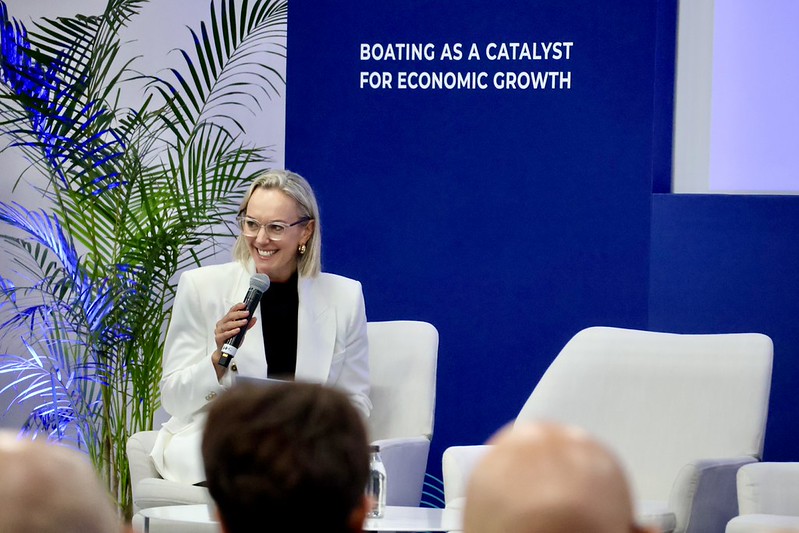
The African Boating Conference 2026 brought together international industry leaders, investors, government representatives and regional stakeholders to advance boating, marina development and blue economy opportunities across Africa.
Held in Cape Town, the conference provided a platform for meaningful industry connections, knowledge exchange and partnerships that support investment and sustainable economic growth.

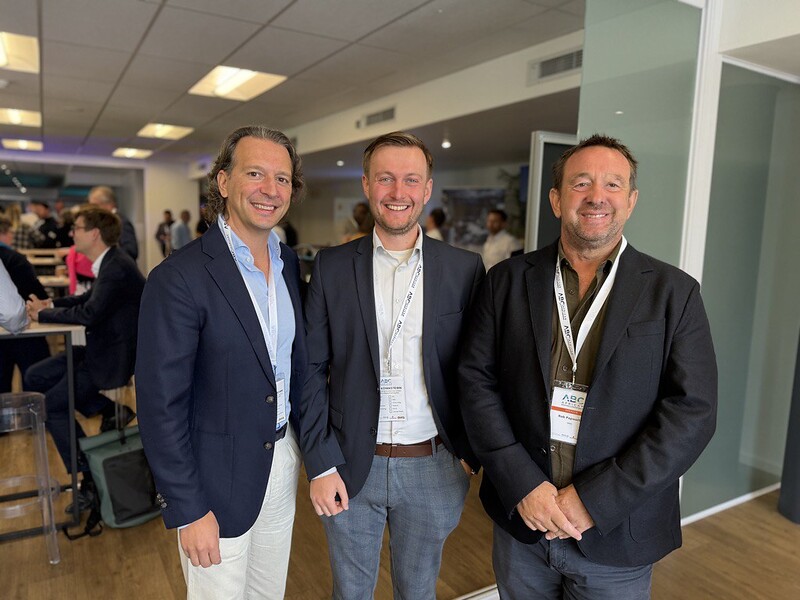
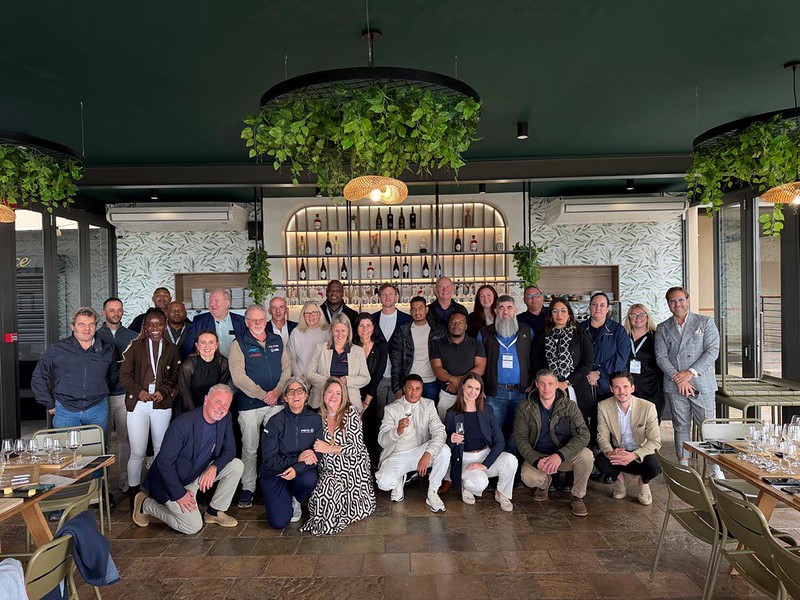
Putting South African boatbuilding on the world stage
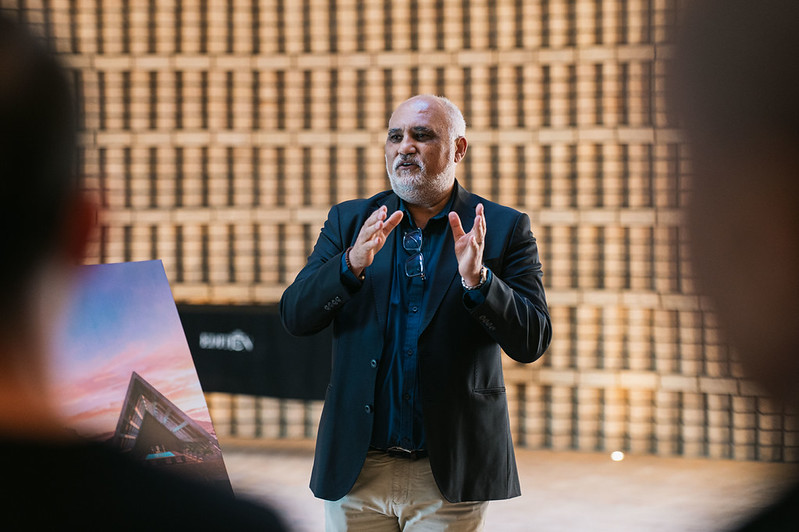
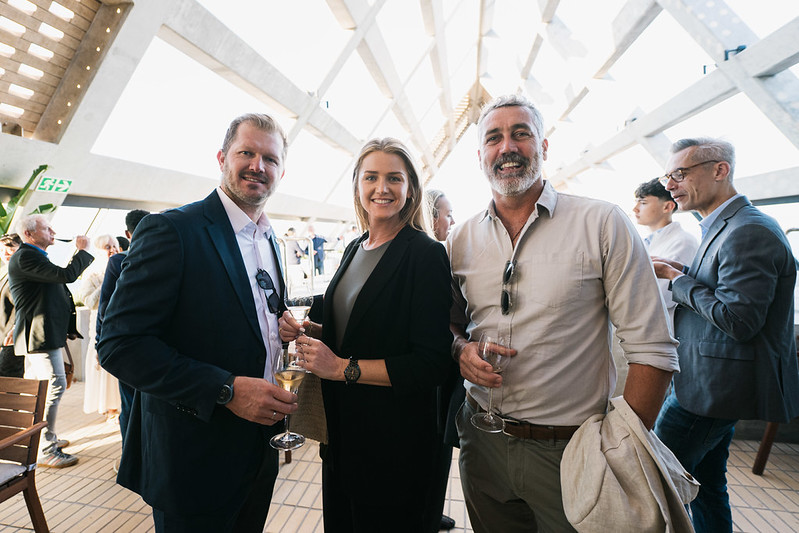
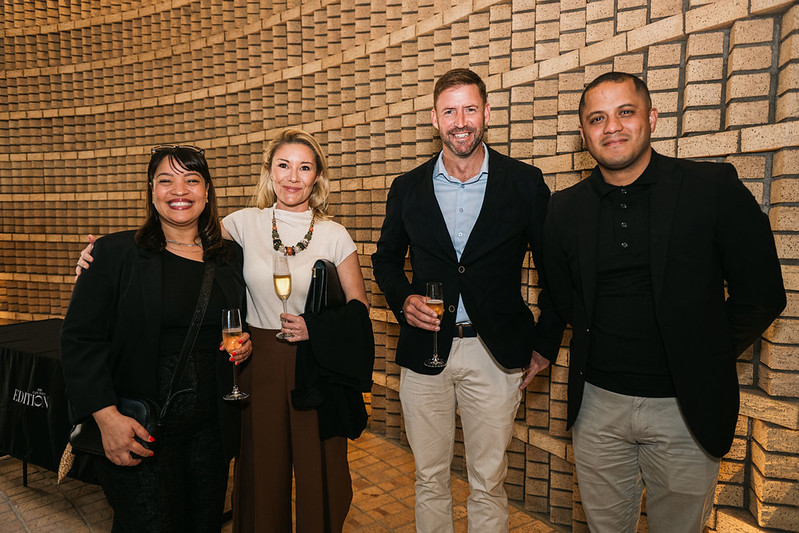
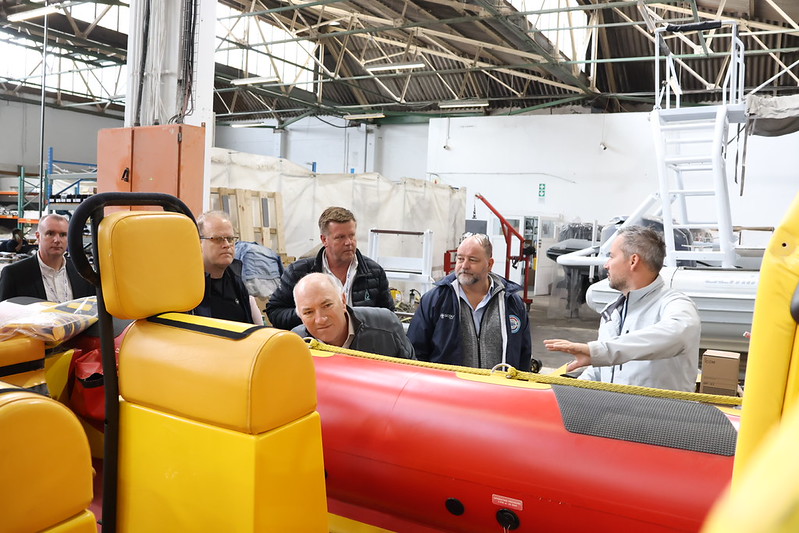
Africa’s reputation as a world-class boatbuilding nation was firmly in the spotlight during the African Boating Conference, with 75 delegates gaining exclusive access to five of Cape Town’s leading boatbuilding facilities. SABBEX / Boating South Africa, arranged the shipyard visits on 21 October which formed a valuable practical component of the conference, offering delegates a first-hand understanding of the innovation, technical expertise and manufacturing capabilities that have established South Africa as a respected player in the global marine industry.
The initiative also reinforced one of the conference’s key messages: that Africa’s blue economy offers significant opportunities beyond marine tourism and marina development, with boatbuilding and its associated supply chains providing an established example of export-led industrial growth, specialised employment and international competitiveness.
From luxury sailing superyachts and internationally exported production catamarans to specialist rescue, patrol and commercial craft, the visits demonstrated the diversity and sophistication of Cape Town’s marine manufacturing sector.
Five leading manufacturers opened their doors to conference delegates, providing a rare opportunity to experience the scale, precision and specialist skills involved in building vessels for international markets.
Robertson and Caine, South Africa’s largest boatbuilder and manufacturer of the internationally renowned Leopard Catamarans, demonstrated the scale and efficiency of production catamaran manufacturing and the capabilities required to compete in global recreational boating markets.
Two Oceans Marine showcased its expertise in custom and semi-custom sailing and power catamarans, including vessels developed for luxury, recreational, commercial and offshore rescue applications.
Voyage Yachts, an established boutique catamaran manufacturer, provided insight into the craftsmanship and attention to detail behind its premium blue-water cruising catamarans, which have earned recognition in international cruising and charter markets.
Southern Wind Shipyard, internationally recognised for its custom sailing superyachts ranging from 25 to 40 metres, highlighted South Africa’s ability to compete in the demanding global luxury yacht sector, combining advanced composite construction, precision engineering and bespoke craftsmanship.
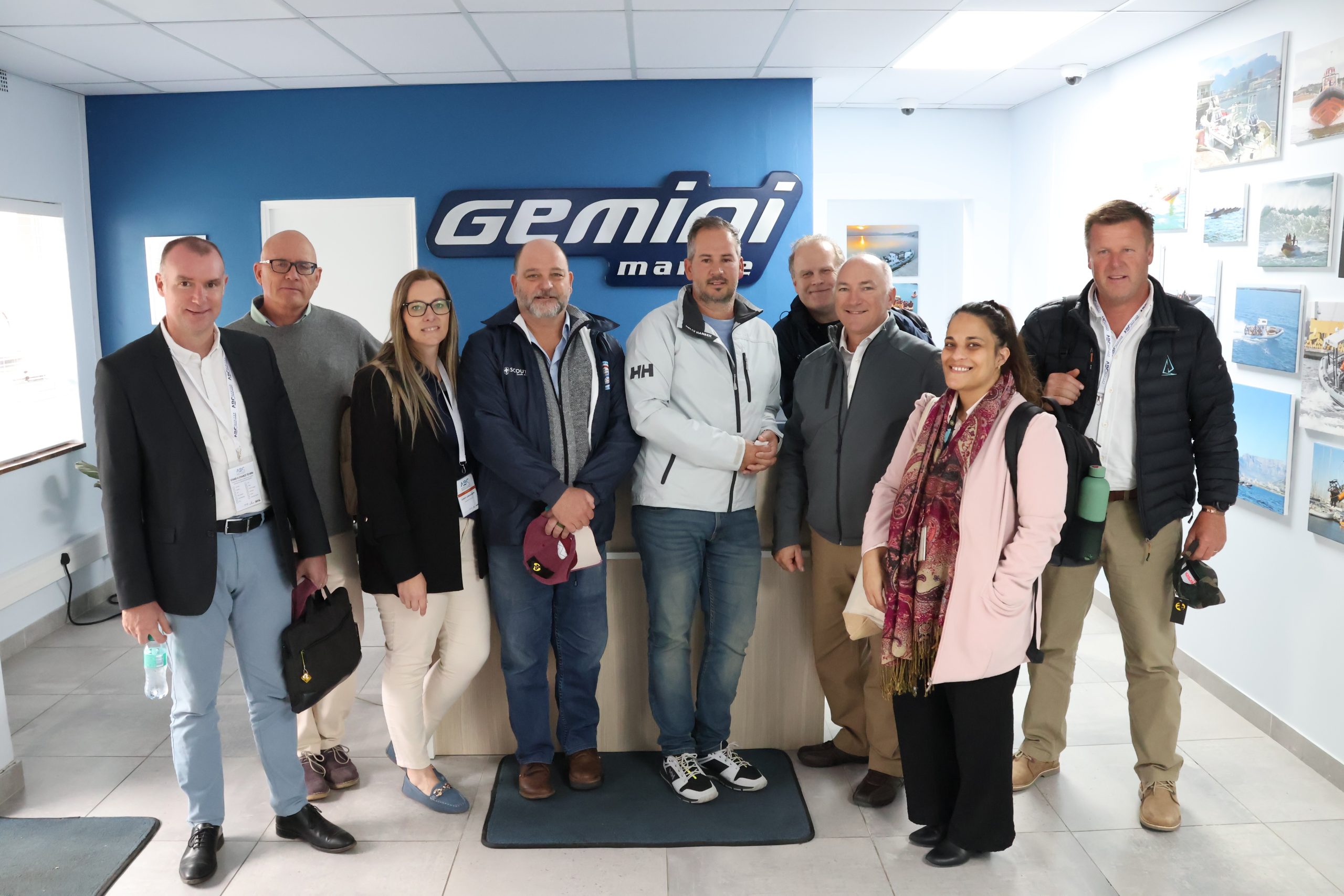
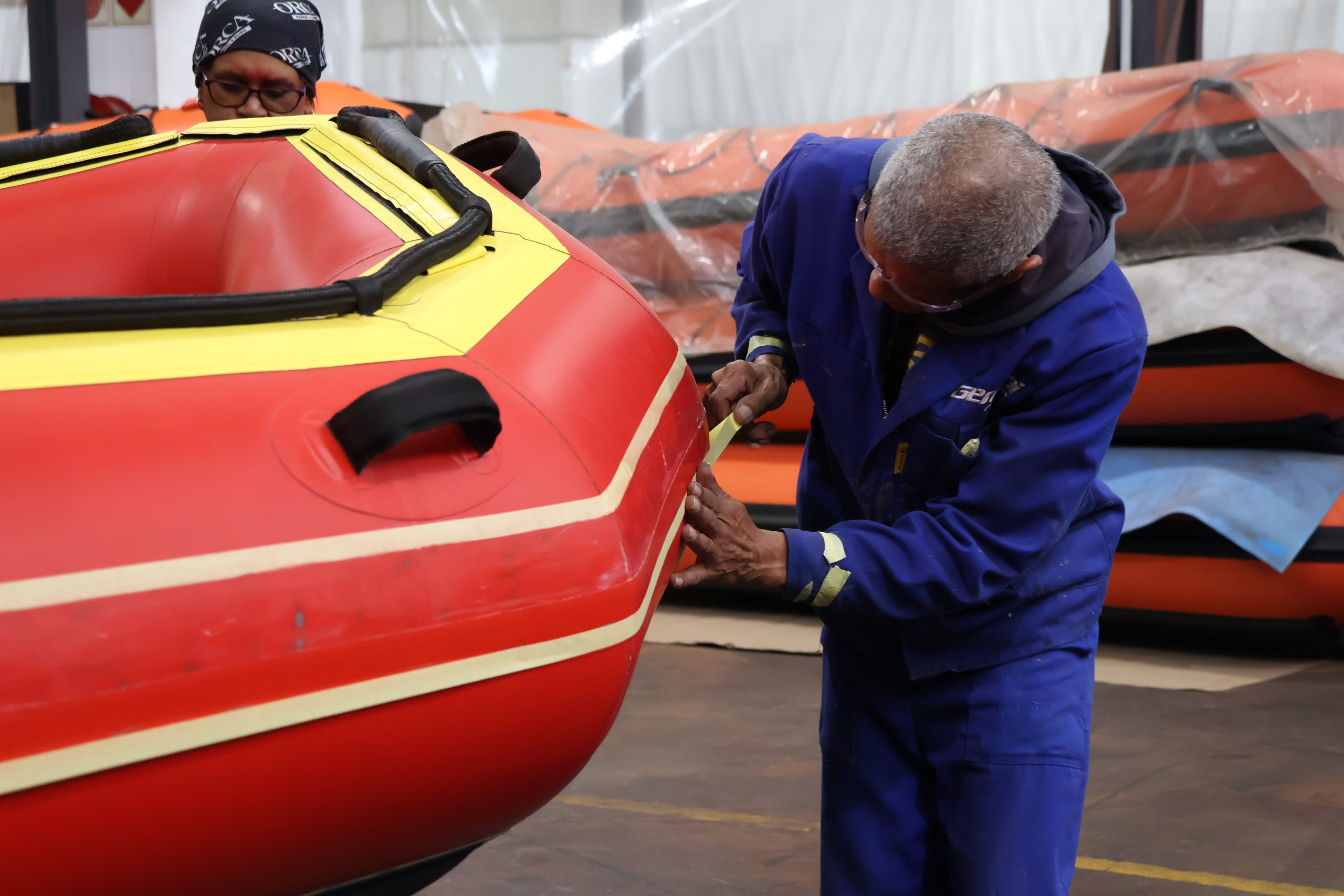
Gemini Marine demonstrated another important dimension of the industry through its internationally recognised rigid inflatable boats and specialist professional craft, used by rescue services, military, patrol and law-enforcement organisations around the world.
Together, the five shipyards presented a compelling picture of an industry that combines established manufacturing expertise with innovation, adaptability and a highly skilled workforce.
SABBEX drives industry visibility and international opportunity
For SABBEX / Boating South Africa, the initiative provided an important opportunity to demonstrate the strength of the country’s boatbuilding sector to an international audience of marine industry professionals, investors and stakeholders.
As the industry association representing South Africa’s recreational boatbuilding sector and broader marine supply chain, SABBEX plays a significant role in promoting the country’s manufacturing capabilities, supporting export development and strengthening collaboration between government and industry.
Vanessa Davidson, Executive Manager of SABBEX / Boating South Africa, coordinated the shipyard programme and recognised the value of giving conference delegates direct access to the businesses and people behind South Africa’s boatbuilding success.
“South Africa has built an internationally respected boatbuilding industry, and opportunities such as these allow us to demonstrate the depth of expertise, innovation and manufacturing capability that exists here. It is one thing to talk about our industry’s achievements, but quite another to walk through these facilities and see the quality of the vessels being produced, the skills of our workforce and the commitment of our manufacturers.
“The African Boating Conference provided an excellent platform to showcase these capabilities while strengthening relationships across the wider African marine industry. We believe there is considerable potential to build on South Africa’s experience, encourage greater regional collaboration and position Africa more prominently within the global marine economy.”
Beyond the shipyard floor
For delegates, the visits offered more than an introduction to individual boatbuilders. They provided insight into the wider industrial ecosystem supporting marine manufacturing, including composite construction, engineering, systems installation, interior production, specialist components and quality control.
They also highlighted the importance of skills development, technical training and the extensive network of suppliers and service providers that contribute to the success of South African boatbuilding.
With 87 members representing manufacturers and businesses across the marine supply chain, SABBEX / Boating South Africa provides an important collective voice for an industry that contributes to South Africa’s export economy and industrial development.
The visits illustrated how a well-established marine manufacturing sector can support a broad range of economic activity, creating opportunities not only for boatbuilders but also for suppliers, technical specialists, service providers and emerging businesses.
South Africa’s superyacht ambitions
The African Boating Conference highlighted the opportunity to establish South Africa as a competitive international superyacht maintenance and refit destination.
South Africa has the maritime expertise, established shipbuilding capabilities and international industry connections to develop a competitive superyacht refit sector. However, turning that potential into a commercially viable industry will require investment in dedicated infrastructure, uncompromising quality standards and a coordinated approach to skills development.
This was a central message emerging from discussions at the conference, where international superyacht professionals examined the practical requirements for attracting more of the world’s luxury yacht fleet to South African shores.
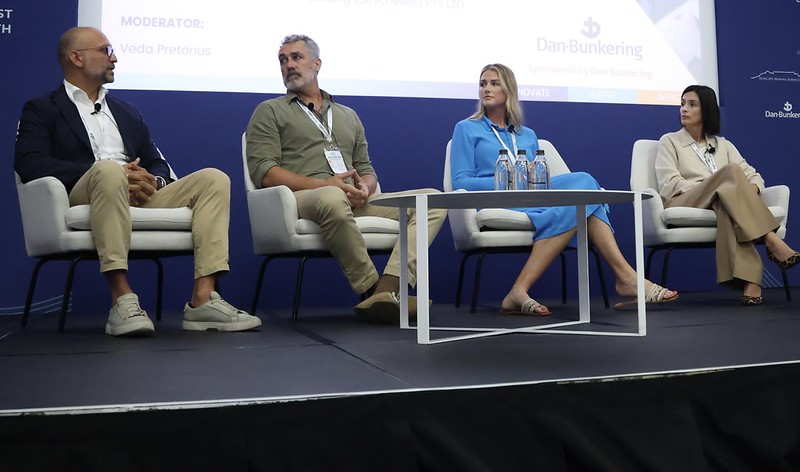
Opening the panel discussion, moderator Henry Mathys, V&A Waterfront, challenged the industry to consider how Africa could move beyond individual facilities towards a more coordinated marine servicing industry.
“How do we, as a destination and as a continent, move from a single berth or a single boatyard to a coordinated ecosystem?” he asked.
His message reflected a broader theme throughout the discussion: the opportunity exists but realising it will require more than isolated investment in individual facilities. It will depend on creating a connected industry capable of delivering the infrastructure, technical expertise, logistics and professional services expected by the international superyacht fleet.
While South Africa has an established reputation for boatbuilding and commercial maritime services, industry experts cautioned that superyacht refit represents a highly specialised market in which expectations around technical capability, finishes, reliability and project delivery are exceptionally demanding.
Infrastructure is the starting point
One of the clearest messages was that South Africa cannot expect to attract significant superyacht refit business without facilities designed to accommodate the particular requirements of these vessels. Although the country already possesses valuable shipyard infrastructure and technical expertise, commercial ship repair facilities are not necessarily suitable for luxury superyachts.
Panellists highlighted the importance of dedicated haul-out facilities, appropriate berthing, controlled working environments and specialist services capable of protecting high-value vessels throughout the refit process.
Superyacht Captain Wes Batho emphasised that confidence in the facilities and the quality of work available is fundamental to attracting international vessels.
“As a captain, I need confidence that I can bring a yacht into a facility and get the work done to the standard expected. South Africa has a great deal of transferable expertise from the commercial maritime sector, but superyachts have very specific requirements, particularly when it comes to specialist finishes and the working environment. The facilities are key. Once those are in place, I believe the supporting skills and services will follow.”
For captains and yacht managers, the decision to undertake maintenance in a particular destination is based on confidence that the work can be completed to the required standard, without compromising the vessel’s condition or its operational schedule.
The development of marina infrastructure in Cape Town and Durban was identified as an important step towards attracting more vessels. However, marina development must be supported by the broader network of shipyards, contractors, suppliers and technical specialists required to service them.
Anne Myers, ABL Group, highlighted that South Africa already possesses considerable technical capabilities, but that these are not always sufficiently visible or connected.
“We already have remarkable expertise in this region, and not exclusively in Cape Town or in Durban,” she said.
She pointed to the country’s established marine engineering and commercial vessel repair capabilities, as well as the ability of South African technical specialists to mobilise across the wider sub-Saharan region. However, she acknowledged that larger turnkey refit projects remain dependent on suitable physical infrastructure, including dry docks, lifting equipment and specialist facilities.
Her observations reinforced the argument that South Africa does not need to build an entirely new skills base from the ground up. Instead, it must connect existing expertise with the infrastructure and commercial opportunities necessary to service the superyacht market.
Quality before price
The discussion challenged the assumption that South Africa could compete primarily through lower labour costs. In the international superyacht market, quality is not simply a competitive advantage; it is a fundamental requirement.
Rob Papworth from MB92, one of the international superyacht refit industry’s established operators, reinforced this point.
“Quality must come first. It is completely non-negotiable. Price is definitely less important than quality.”
The message was clear: South Africa’s opportunity lies in delivering world-class workmanship, dependable project management and exceptional service, rather than positioning itself simply as a lower-cost alternative to established Mediterranean refit centres.
While the country’s commercial maritime sector offers a strong foundation in engineering, metalwork and other technical disciplines, superyacht projects also demand specialist expertise in luxury interiors, finishing, joinery and complex onboard systems. Developing these capabilities will be essential to establishing the confidence of international yacht owners, captains and management companies.
Build the industry through collaboration
Rather than attempting to create a fully integrated superyacht refit industry immediately, international panellists encouraged South Africa to adopt a phased approach.
Drawing on experience from established European refit centres, Rob Papworth of MB92 explained that even mature superyacht facilities continue to rely extensively on specialist subcontractors.
“Don’t be afraid of bringing people in to do the work. You will learn from those people as they come. Start by getting the quality right and building confidence in what you can deliver. The skills will develop over time, and South Africa has a huge advantage in the number of South Africans already working in the international superyacht industry who would love to bring their boats home.”
This approach presents an opportunity for South African businesses to combine existing local capabilities with international expertise while building experience and expanding their service offerings. Bringing overseas specialists into South African projects could also facilitate knowledge transfer, training and the development of a stronger domestic supplier network.
The importance of collaboration was reinforced by Anne Myers, who encouraged the industry to recognise and build upon the networks and capabilities already operating across the region.
“Don’t go back and reinvent the wheel. Go back and see who’s already putting that wheel in place,” she said.
Her message was that cooperation between existing shipyards, technical specialists and service providers could accelerate progress considerably, particularly where infrastructure investment and specialist skills are already being developed for other maritime sectors.
This collaborative approach is already evident within Cape Town’s shipyard industry.
Hermoine Manuel, representing DAMEN, described how a superyacht support vessel undergoing a six-month engine refit had demonstrated the value of bringing together specialist contractors and established marine trades.
“It was just so fantastic to see the coming together of the carpentry skills, electrical skills, electromechanical skills,” Hermoine said, reflecting on the range of expertise mobilised for the project.
The example illustrated how existing commercial shipyard capabilities can be complemented by specialist contractors drawn from the wider marine industry, including South Africa’s internationally recognised boatbuilding sector.
Importantly, the approach would allow facilities to scale their operations in response to demand, without immediately committing to the substantial fixed costs of employing large permanent specialist teams. Initial projects may be intermittent, but successfully completed work could help establish the track record required to attract larger and more complex refits.
An opportunity to bring South African expertise home
Another significant advantage identified during the discussion is the substantial number of South Africans already working throughout the international superyacht industry. From captains and engineers to technical specialists and crew, South Africans have established themselves within the global fleet and at leading international facilities.
These professionals represent an important network of potential advocates, technical partners and future employees. By creating credible refit opportunities at home, South Africa could begin to attract experienced professionals back into the domestic maritime economy while providing career pathways for a new generation of skilled workers.
The benefits could extend beyond individual shipyards, supporting marine engineering, fabrication, electrical services, logistics, hospitality and specialist suppliers.
The international experience shared by Rob Papworth provided a compelling illustration of the potential economic impact.
Describing the transformation of La Ciotat in France, where MB92 operates one of the world’s leading superyacht refit facilities, he explained how the redevelopment of an established shipyard into a specialist superyacht servicing centre had helped revitalise the surrounding community.
Through progressive investment in lifting infrastructure, dry dock facilities and supporting services, the operation has expanded significantly, generating substantial direct revenue alongside broader economic benefits for local businesses, hospitality operators and service providers.
The experience demonstrated that superyacht refit can become far more than a shipyard activity. With the right infrastructure, government cooperation and sustained private-sector investment, it can stimulate an extensive network of businesses and employment opportunities.
The discussion also highlighted South Africa’s potential geographical advantage as a servicing destination for vessels operating between international cruising regions, particularly those undertaking longer expedition itineraries. Establishing reliable refit and maintenance facilities could encourage more yachts to include South Africa in their operational planning, supporting both the local marine industry and the broader visitor economy.
From industry potential to commercial reality
The conference discussion reinforced the importance of collaboration between marina developers, shipyards, service providers, training institutions and government. Industry representatives also acknowledged the value of coordinated initiatives, including the Africa Superyacht Working Group, in creating a collective voice and advancing the sector’s development.
For South Africa, the opportunity is not simply to attract visiting superyachts but to capture a greater share of the ongoing economic activity generated by their maintenance, servicing and refit requirements.
As Henry observed in opening the discussion, “The opportunity is real. The demand is growing.”
The challenge now is to translate that opportunity into a credible and internationally competitive service offering, supported by infrastructure investment, recognised quality standards and stronger collaboration across the maritime industry.
The conclusion from the African Boating Conference was clear: South Africa has many of the foundations necessary to become a respected superyacht refit destination. The next challenge is to translate those advantages into facilities and services that give the international fleet a compelling reason to choose South Africa.
The opportunity exists. The priority now is to build the confidence, capability and infrastructure to convert it into business.
Innovation and collaboration
African Boating Conference panellists call for smarter manufacturing, stronger industry partnerships and investment in the next generation of skills
Africa’s boatbuilding industry has an opportunity to strengthen its position in the global marine market by embracing innovation, improving manufacturing efficiencies and fostering greater collaboration between boatbuilders, suppliers, designers and technology providers.
This was the central message from the Innovation for Growth, Technologies Driving Africa’s Sustainable Marine Future panel discussion.
Moderated by Nicole van de Wall, the discussion explored how emerging technologies, sustainable materials, skills development and knowledge-sharing could help African boatbuilders become more competitive while responding to the changing demands of international markets.
Innovation begins with challenging established processes
A recurring theme was the importance of questioning traditional manufacturing practices and identifying opportunities to reduce waste, improve productivity and deliver better outcomes for customers.
Adam Ramsden, Flexiteek, speaking about innovation in manufacturing, emphasised that meaningful progress frequently originates through collaboration with suppliers and customers rather than within a business alone.
“Most of our innovations have come from either our suppliers or from our customers,” he said.
He highlighted the continued reliance on manual processes and physical templates in boatbuilding, arguing that digital scanning and more accurate manufacturing systems could reduce material waste, production time and inefficiencies.
Adam also discussed the development of a more sustainable material containing approximately 46% wood-pulp-derived content from sustainable forestry, demonstrating how partnerships across the supply chain can deliver alternatives to conventional fossil-fuel-based materials.
Digital technology could transform production
The potential of digital scanning, three-dimensional modelling and more integrated engineering processes generated considerable discussion.
One example highlighted how collaboration between coating suppliers and three-dimensional measurement specialists could significantly reduce the time required to achieve smooth yacht hull finishes.
By digitally scanning a vessel and accurately calculating the required filler application, a process that traditionally takes nine to twelve months on a large superyacht could potentially be reduced to three to six months.
Wilhelm Botha, Fused Composite Design, who works across boat design, engineering and manufacturing, advocated for greater integration between digital design models and the physical manufacturing process.
“From concept design through engineering, you have this digital model, and I see something like scanning as another input into adjusting that model,” he explained.
He stressed that technology could also improve quality assurance by allowing boatbuilders to compare finished structures against their original engineering assumptions.
For smaller manufacturers looking for affordable improvements, Willem suggested that desktop three-dimensional printing offered a practical entry point into more advanced manufacturing techniques.
His broader recommendation was to move away from traditional rule-of-thumb practices towards a more systematic, engineering-led approach.
Collaboration can accelerate sustainable solutions
The panel also examined how suppliers and manufacturers could work together to develop products that address practical challenges while meeting increasingly demanding environmental expectations.
Timothy Vogelaar, AkzoNobel explained that innovation was most effective when suppliers engaged directly with shipyards to understand their operational requirements, develop prototype solutions and test products under real-world conditions.
“I would just say, have open conversations with each other, talk about problems and challenges, and then come up with some things that you can do better and innovate for change,” Timothy said.
The discussion also highlighted the complexity of sustainability within the marine industry, particularly the need to reduce emissions across the entire value chain rather than focusing solely on individual manufacturing facilities.
Renewable electricity, reduced material waste and closer engagement with suppliers were identified as important steps towards meeting long-term environmental objectives.
The panellists acknowledged that ambitious carbon-reduction targets would require sustained investment, technological advances and cooperation across the industry.
Africa must develop solutions suited to its own market
While international shipyards provide valuable examples of advanced manufacturing practices, the panel cautioned against assuming that European production models could be transferred directly into African boatbuilding facilities.
Oliver Dawson, Evolution Marine, drawing on his experience in manufacturing and industry collaboration, emphasised the importance of adapting innovation to local operating conditions, workforce capabilities and production requirements.
“You cannot take a European methodology and try to apply it to a South African yard overnight. It is never going to happen,” he said.
He argued that improving existing manufacturing efficiencies should be a priority as African boatbuilders face increasing competition from international manufacturers, including emerging brands from Asia.
Oliver also highlighted the importance of workforce development, noting that boatbuilding skills are transferable across several industries, including automotive, aviation, construction and manufacturing.
With structured coaching and mentorship, he suggested that new entrants could become productive contributors within a relatively short period.
The discussion reinforced the opportunity for the African marine industry to develop its own competitive advantages by combining established craftsmanship with appropriately scaled technology and more efficient production systems.
Investing in the next generation
Beyond technology and production efficiency, the panel emphasised the importance of attracting young people into the marine industry and developing the skills required for its long-term growth.
Adam encouraged industry organisations and businesses to create more opportunities for young people to experience the marine environment and discover potential careers in boating.
“Inspire the next generation,” he urged. “If you can have contact with water in some way that is meaningful, those people go on to be our future.”
Oliver reinforced the broader economic value of marine industry training, observing that developing skilled workers benefits not only individual boatbuilders but also the communities and industries into which those workers may eventually move.
Exhibitor success
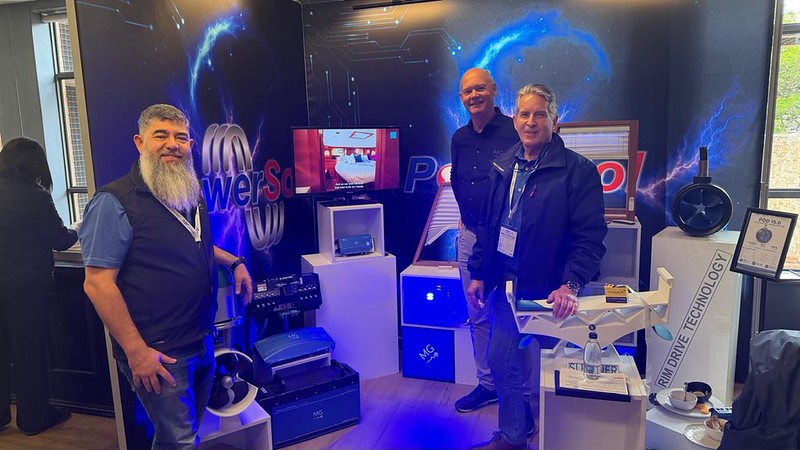
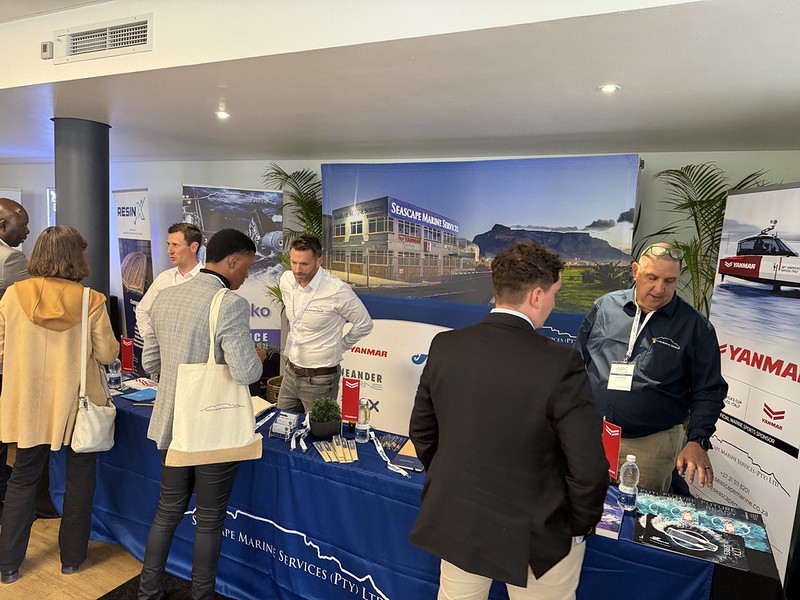
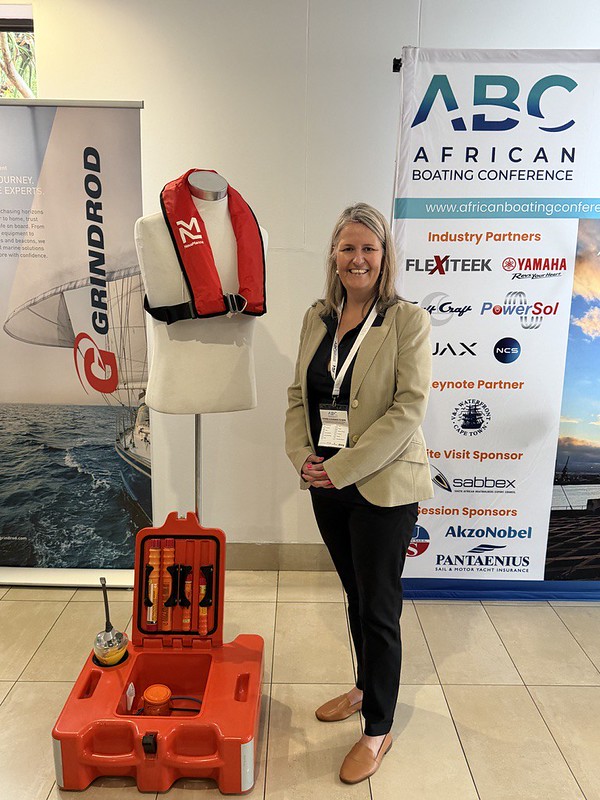
This year, 12 exhibitors took stands at The Avenue, right where delegates gathered for coffee, lunch and networking. Between sessions, delegates could go straight from hearing about an industry challenge to talking with the suppliers who could solve it.
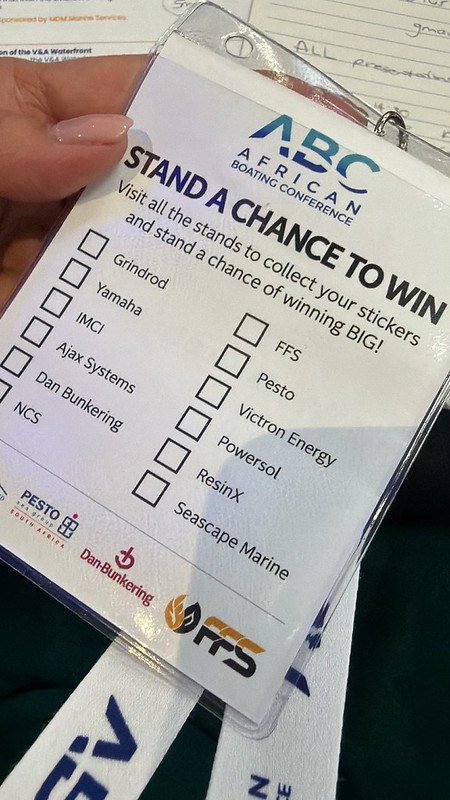
Ajax Systems, Dan Bunkering, FFS, Grindrod, IMCI (International Marine Certification Institute), NCS South Africa, Pesto Sea Group South Africa, Powersol, ResinX, Seascape Marine Services, Victron Energy, Yamaha Marine South Africa.
To ensure every stand got a visit, delegates collected a sticker from each exhibitor on the back of their badge, and a full badge earned them a place in the lucky draw.
Generously sponsored by Club Marine Insurance, specialist marine insurers for more than 40 years, the draw had two winners. Each took home a Krugerrand and traditional South African goodies.
Over 84 completed entries went into the Lucky Draw.
African Boating Conference 2027
For sponsorship opportunities, email Maryanne.
